Improving Your Landscape Photography

The great photographer Ansel Adams once said, “You don’t take a photograph, you make it.”

Whether you’re on a hike, vacation, or casually exploring the world around you, most likely you’ll want to document your journeys with photographs.  The key to improving those images doesn’t necessarily come with an expensive camera or fancy equipment.  The primary factor is YOU, and how you compose those shots.

With today’s improvements in digital photography, stunning landscape photos can be accomplished with just a smartphone.  It all depends on ensuring a pleasing composition, which entails the methods you decide to use in order to control the movement of the viewer’s eyes within the photograph.

Here are my top tips for improving your landscape images. 

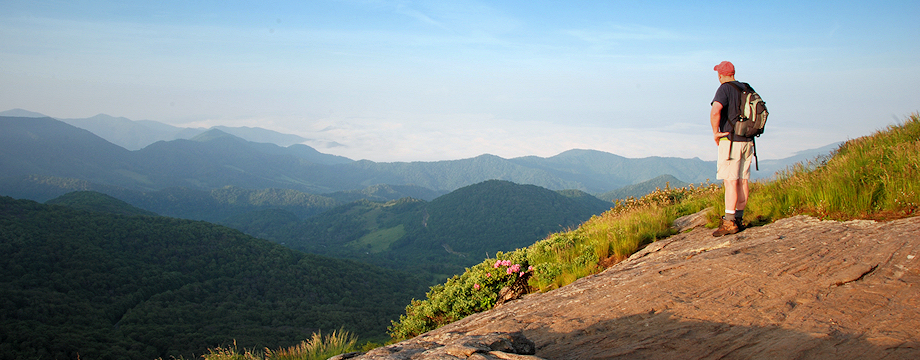
Use the Rule of Thirds
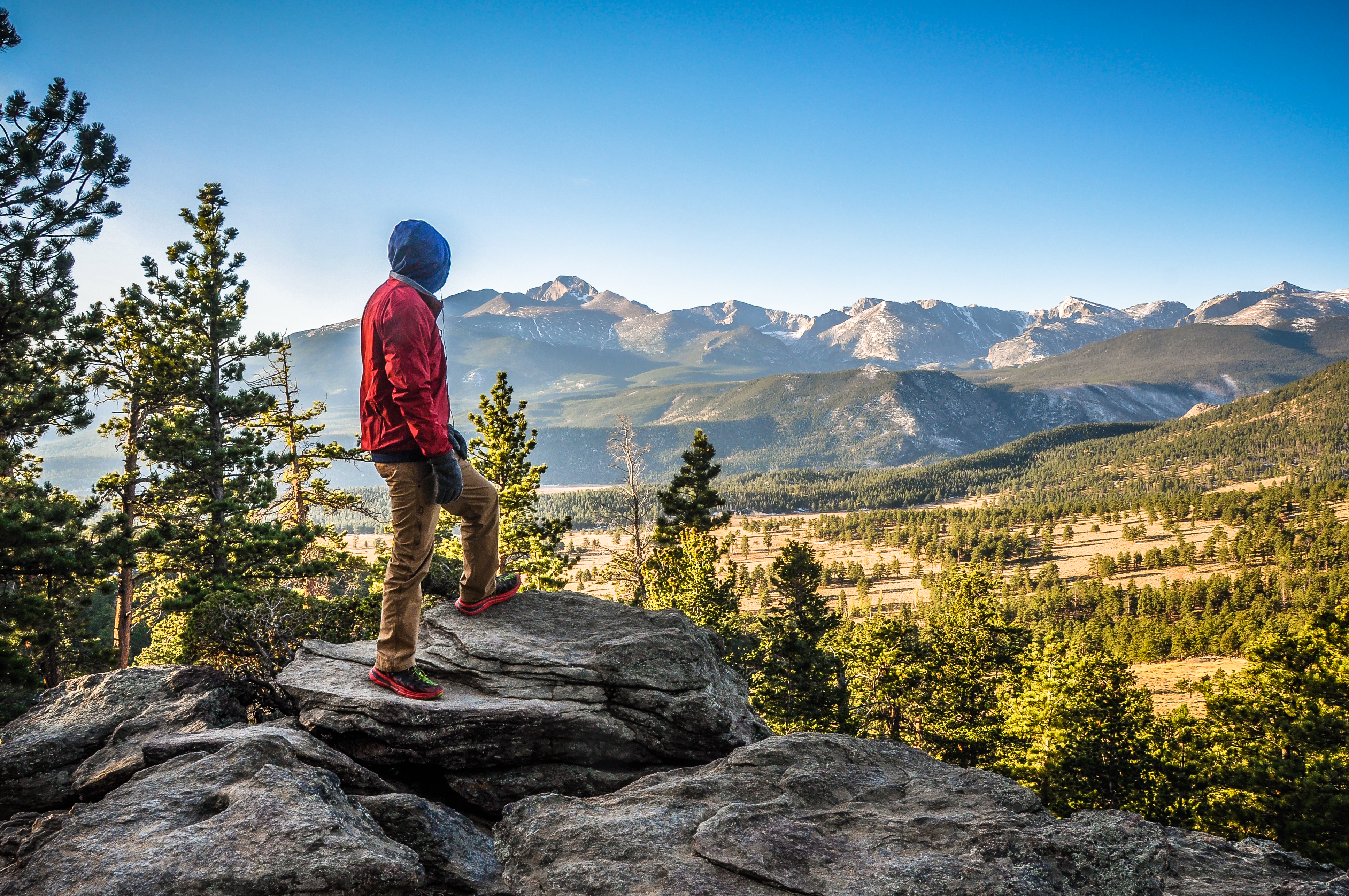
Using the Rule of Thirds to Create a More Pleasing Image

This basic “rule” of photography will allow you to create more eye-catching photos.  Imagine dividing your landscape into two equally spaced vertical lines, and two equally spaced horizontal lines—as in a tic-tac-toe diagram.  Compose the most important element—whether it is a mountain, a person, the sun, etc.—on one of the four points where the lines intersect.  The result is that your photo will be much more balanced and pleasing to the eye.

In addition, try placing the horizon of a landscape on one of the two horizontal lines, instead of being centered in the photo.  If the sky is dramatic, place the horizon on the lower line (revealing more sky).  If the foreground is more interesting, compose the horizon on the upper line.

Create Depth
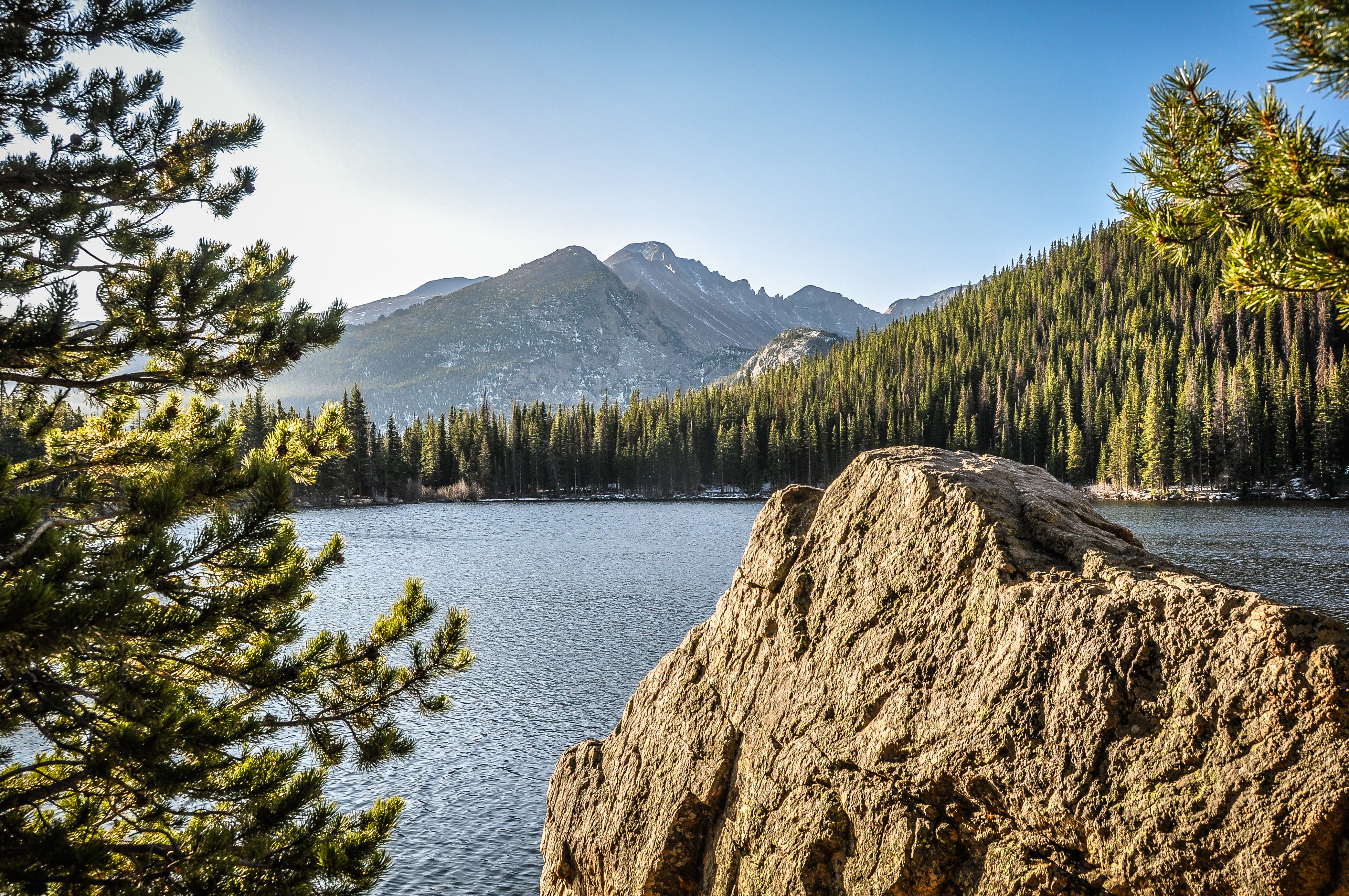
Add Foreground Features to Create Depth

To add a three-dimensional aspect to your photo you will need to create depth.  A good technique is to seek out items in the foreground to enhance your shot.  If you are taking an image of a distant mountain, things like rocks, trees and flowers in the foreground will give perspective.  To accomplish this, don’t always shoot at eye level.  Get down low to include those interesting elements into your photo.

Use Leading Lines and Diagonal Lines

Use Leading Lines to Draw the Eye to the Center of the Image

Our eyes naturally follow linear images.  Find lines to compose into your shot, and it will draw your viewer deeper into the photograph.  You can also use them to point to the most important element of the shot.  These lines may be either straight or curved such as paths, fences, streams, bridges, shorelines, railroad tracks, and even features such as trees and striations in rocks.  Once you start to look for these lines, you’ll see them everywhere.  Incorporate them into your shots, and if at all possible, have them lead toward your main subject or converge to a vanishing point.

Look for Symmetry  

Experiment by Breaking the Rule of Thirds & Using Symmetry

Symmetrical images are very pleasing to the eye. This is sometimes hard to find in a landscape, but they do exist from time to time.  When composing a symmetrical shot it usually means breaking the “Rule of Thirds,” and placing your subject in the center of the scene.  Some of my favorite images of this type were taken as seascapes utilizing piers, or other man-made structures such as lookout towers.

Utilize Natural Framing 
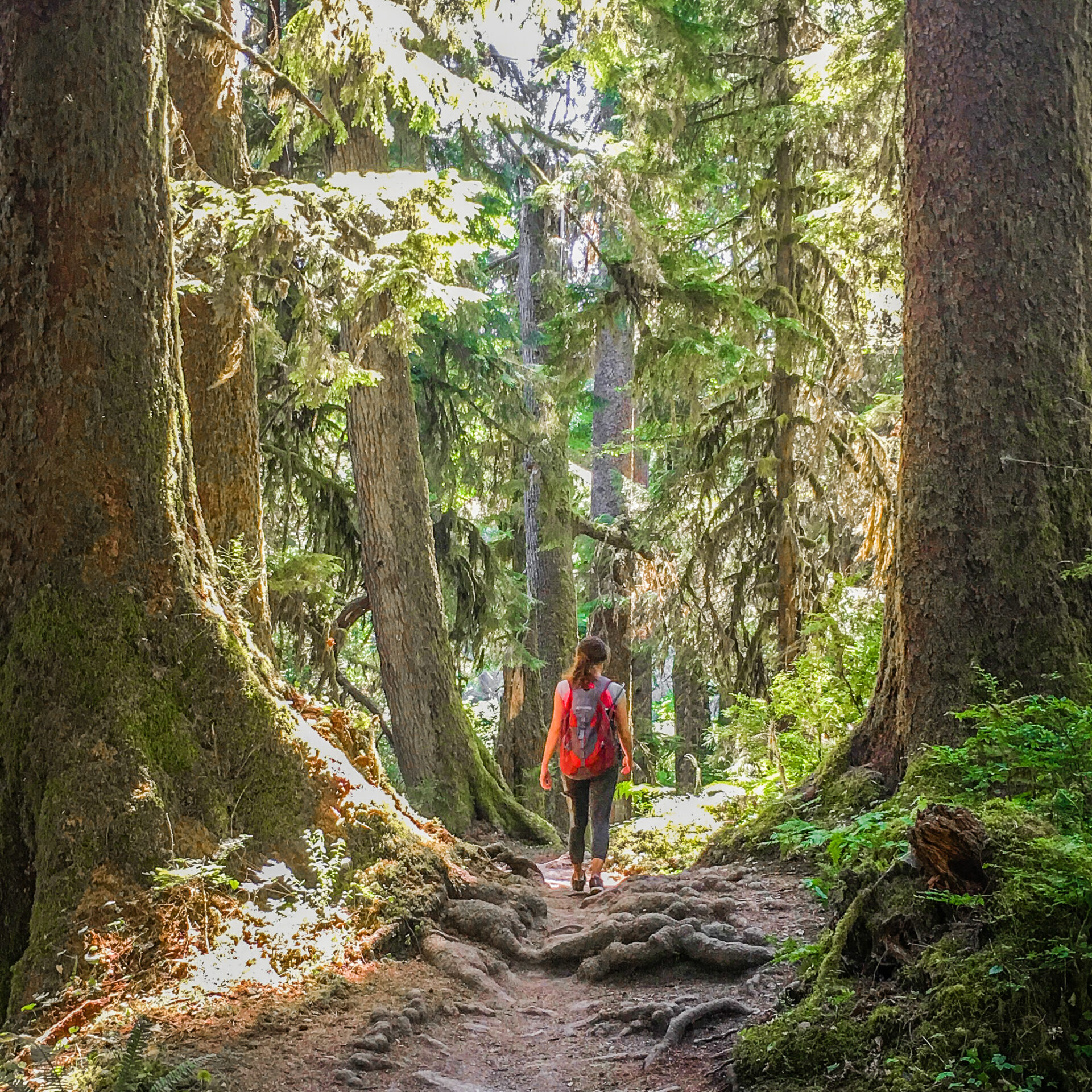
Utilize Natural Framing Such as Trees

Frames keep our attention inside the photograph and will isolate your subject from what’s around it.  You can often enhance framing by using natural elements such as trees, rock arches and overhanging foliage on the perimeters of your shot.

Keep it Simple
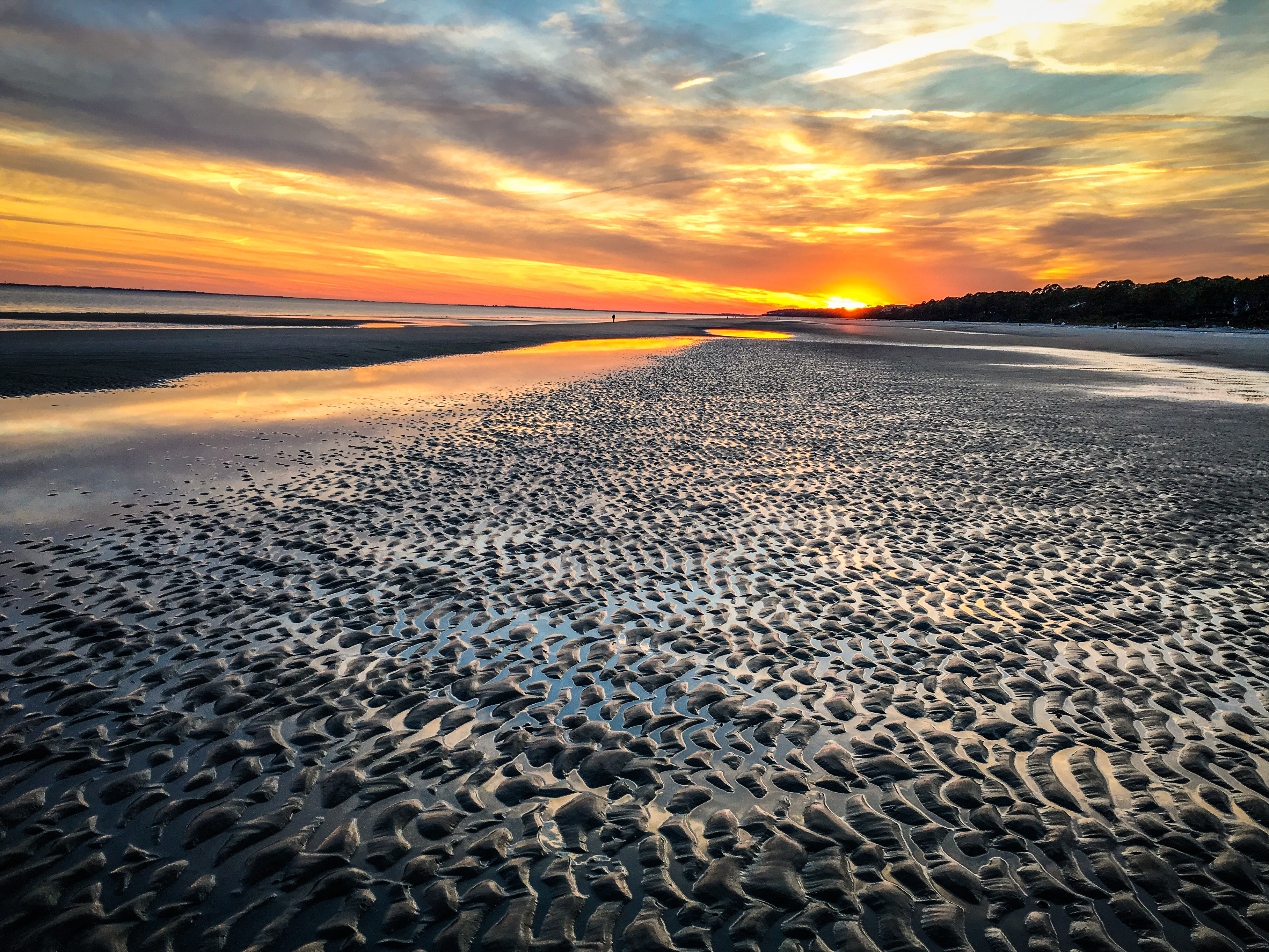
Shoot During the “Golden Hour” While Looking for Textures

As a beginner, seek out simple landscapes without a lot of clutter.  As the complexity of an image grows, the more difficult it becomes to put emphasis on your subject.  I find it helpful to zoom in or crop the image down when a scene is overly complex.  Always ask yourself what you could leave out of the image, not what you can include.  Also search for consistent textures or patterns to enhance and simplify your shot, such as a grassy field, or ripples in the sand along a beach.

Timing is Everything

When possible, shoot during the “golden hours,” which is the hour after sunrise or the hour before sunset.  This will provide an image that is less “washed-out,” allowing the colors to be more vibrant, and the image textures to be more defined and clear.  Low-light shots will also provide warmth to your photo.  Another little trick is to shoot right before or immediately following a storm, when clouds can be at their most dramatic.

These landscape composition tips should be a great way to improve your images, but sometimes those “rules” are meant to be broken.  Take lots of shots, experiment with different techniques, and most importantly… create your own style!
Categories: Informational and Tips, Photography | Leave a comment

Backpacking Checklist

Here are the basics on what is in my backpack.  This is list is variable and greatly depends on such things as weather, how many days I’m staying out, and the difficulty or remoteness of the trail.

PRIMARY GEAR

  • Backpack  – I have acquired too many, but I currently use two more than the others.  My summer pack is a 60-liter Osprey Volt.  My winter pack is a 70-liter Gregory Baltoro.
  • Backpack Rain Cover
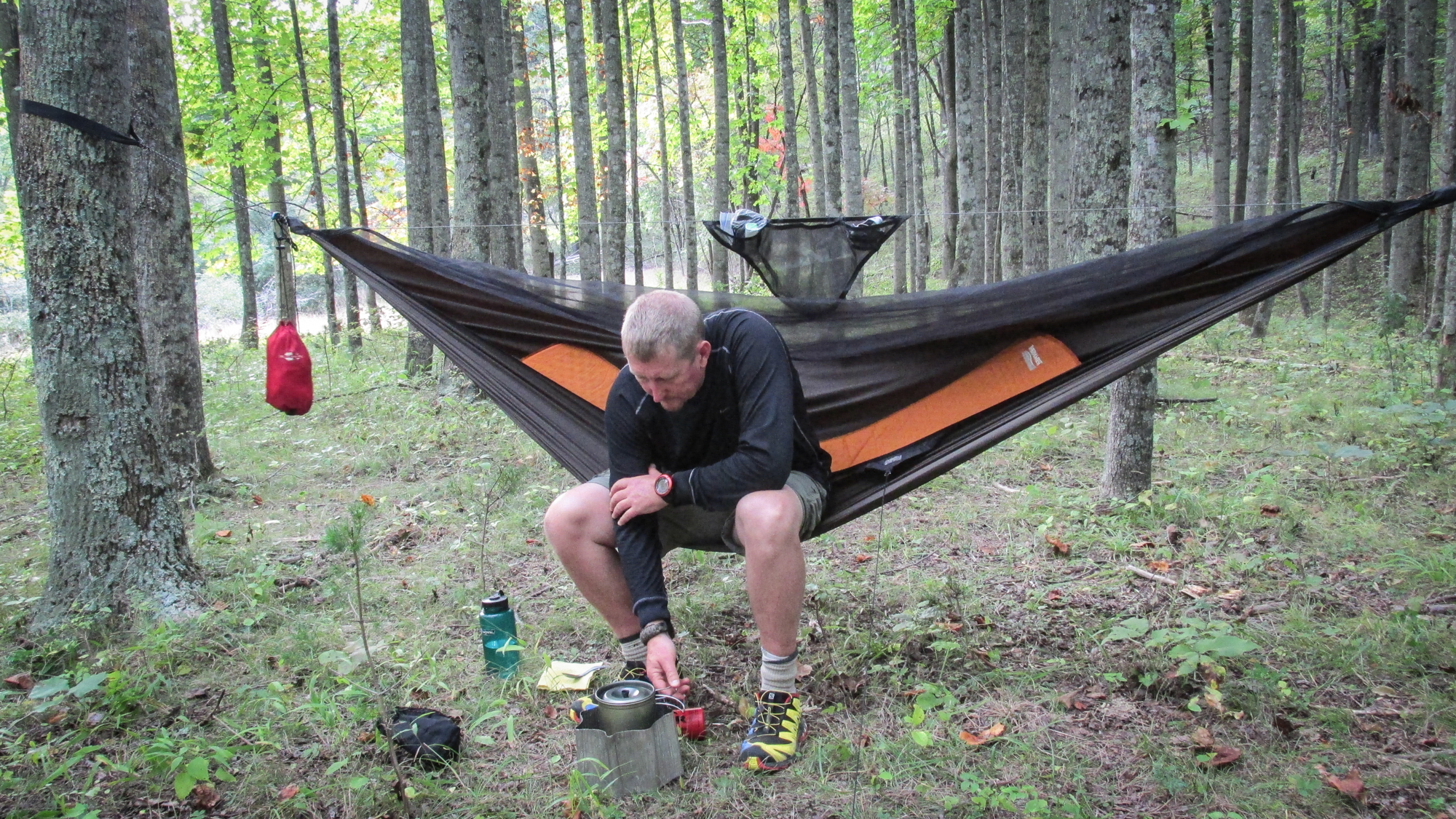
  • Tent or Hammock – On solo outings I normally camp with Hennessy Explorer Hammock, unless the conditions are too cold.  In that case I have a one-person Big Agnes tent.
  • Sleeping Bag  – I have a zero degree, a 15 degree, and a 35 degree. All are synthetic.   If you’re just starting out and can only afford one bag, I would recommend a 15-20 degree.
  • Sleeping Pad – I use a Thermorest in the hammock, and an Exped in the tent.  The Exped is thicker and allows me to better sleep on my side when on the ground.

COOKING/FOOD

  • Stove, Fuel, & Lighter – I’m currently using an MSR Pocket Rocket and propane cannister.
  • Pot & Spork  – I use a generic titanium pot with a lid, and a plastic spork. The stove fits down into the pot to save space.
  • Meals & Snacks – This could obviously be a whole post within itself.  But, I typically cook dishes that are simply made by adding to boiling water.  Pastas, rice, etc. 
  • Waterproof Stuff-sack/Bear Bag (to hang up your food at night, keeping it away from critters)
  • 50′ of Nylon Cord to Hang the Bear Bag
  • Small clean-up towel & biodegradable soap

WATER

  • Water Bottles – I use Nalgene, and normally take two of them.
  • Water Filter – I typically use a Sawyer Mini squeeze filter, or a Lifestraw.  I recently tried an MSR Trailshot, and would potentially carry that if conditions were overly dry and I possibly needed to pump out of shallow areas.
  • Hydration Bladder – I don’t always use one, but sometimes.

CLOTHING (depends greatly on the time of year and the weather forecast – no cotton items)

  • Rainsuit
  • Gloves and Beanie
  • Extras Socks and Underwear
  • Fleece or Jacket
  • T-shirt to wear at camp
  • Clothing stuff-sack – This also doubles as a pillow for me.

TOILETRIES

  • Sunscreen, Chapstick, Bug Spray
  • Toilet Paper – I take it off the roll, and re-roll it to save space.
  • Hand Sanitizer – It can also double as a fire starter.
  • Toothbrush and Toothpaste (travel size).  Put your toothbrush and paste in the bear bag at night.

NAVIGATION

  • Map & Compass  – I don’t always carry these if going on a very established and well-marked trail like the A.T.
  • GPS Watch – Garmin Fenix 5
  • Smartphone – Loaded with map/trail apps… I leave it in airplane mode.
  • Photo-copied pages from a guidebook – When applicable.  In other words, I don’t take the whole guidebook, only the pages of my hike to save weight.

EMERGENCY & REPAIRS

  • Small First Aid Kit – Assorted bandages, ibuprofen, burn cream, antihistamine, anti-diarrheal, safety pins, and moleskins for blisters.
  • Fire Starter
  • Extra batteries for headlamp
  • External charger for phone & watch – I only carry this on longer excursions.
  • Repair kits – I carry a small tent pole repair sleeve, duct tape (re-rolled), and a sleeping pad patch kit.

OTHER ESSENTIALS

  • Headlamp
  • Trekking Poles – Leki
  • Pocket knife (small)
  • Small multi-tool – Mine has nail clippers, tweezers, and scissors.
  • Keys, money, credit card
  • Camera – I have been known to carry my Nikon SLR and a couple of lenses, but that’s rare.  I usually just shot with my phone, or a small point and shoot camera.
  • A small book to read at camp (sometimes).

THINGS THAT I HAVE PURCHASED THAT I RARELY OR NEVER USE

  • Solar panels
  • Camp shoes
  • Backpacking pillow
  • Radio with Crank Electronics Charger
  • Trowel to bury waste – A stick works just as good.
  • Candle Lantern
Categories: Backpacking, Informational and Tips | Leave a comment

Martins Creek Falls

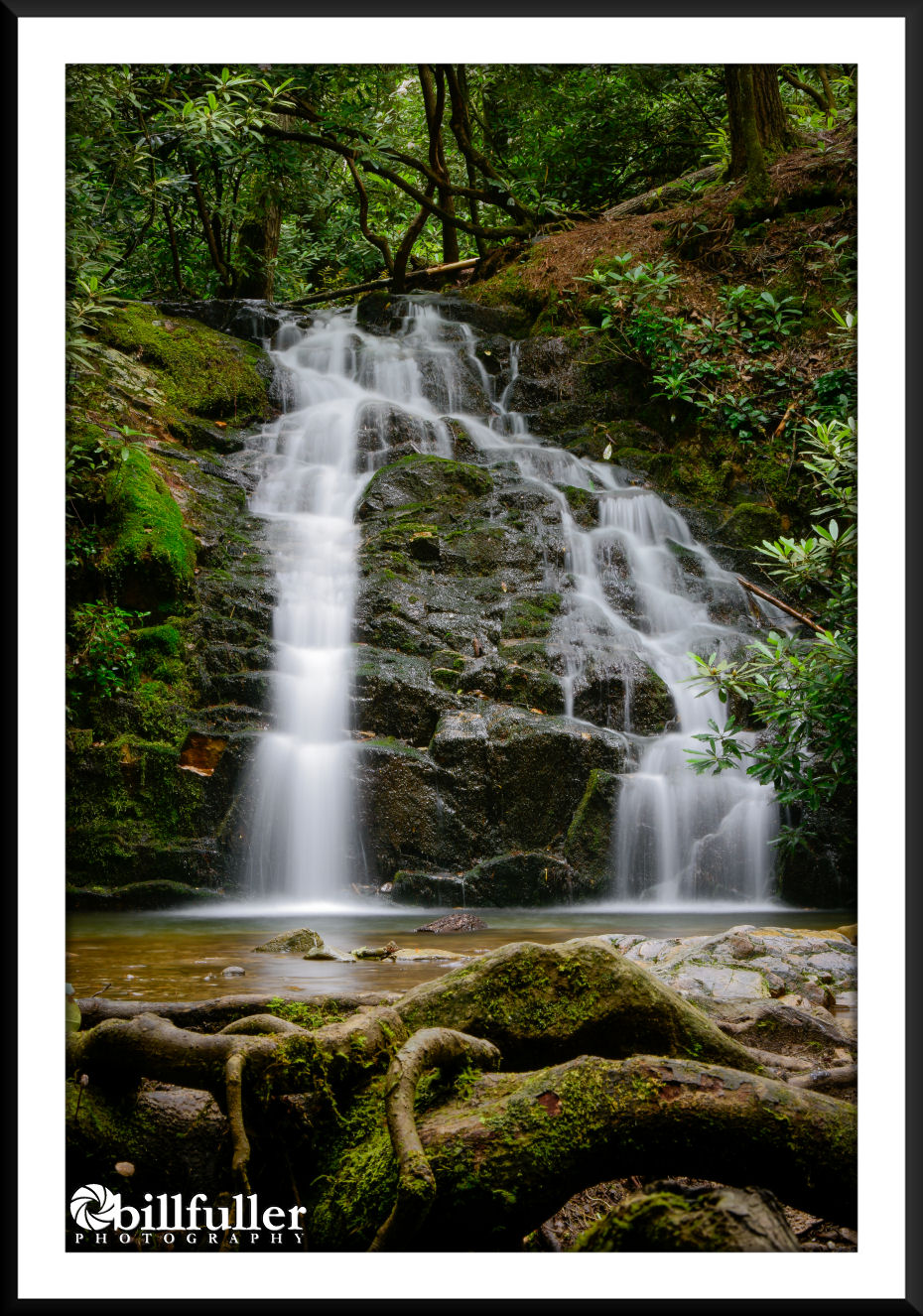
Martins Creek Falls

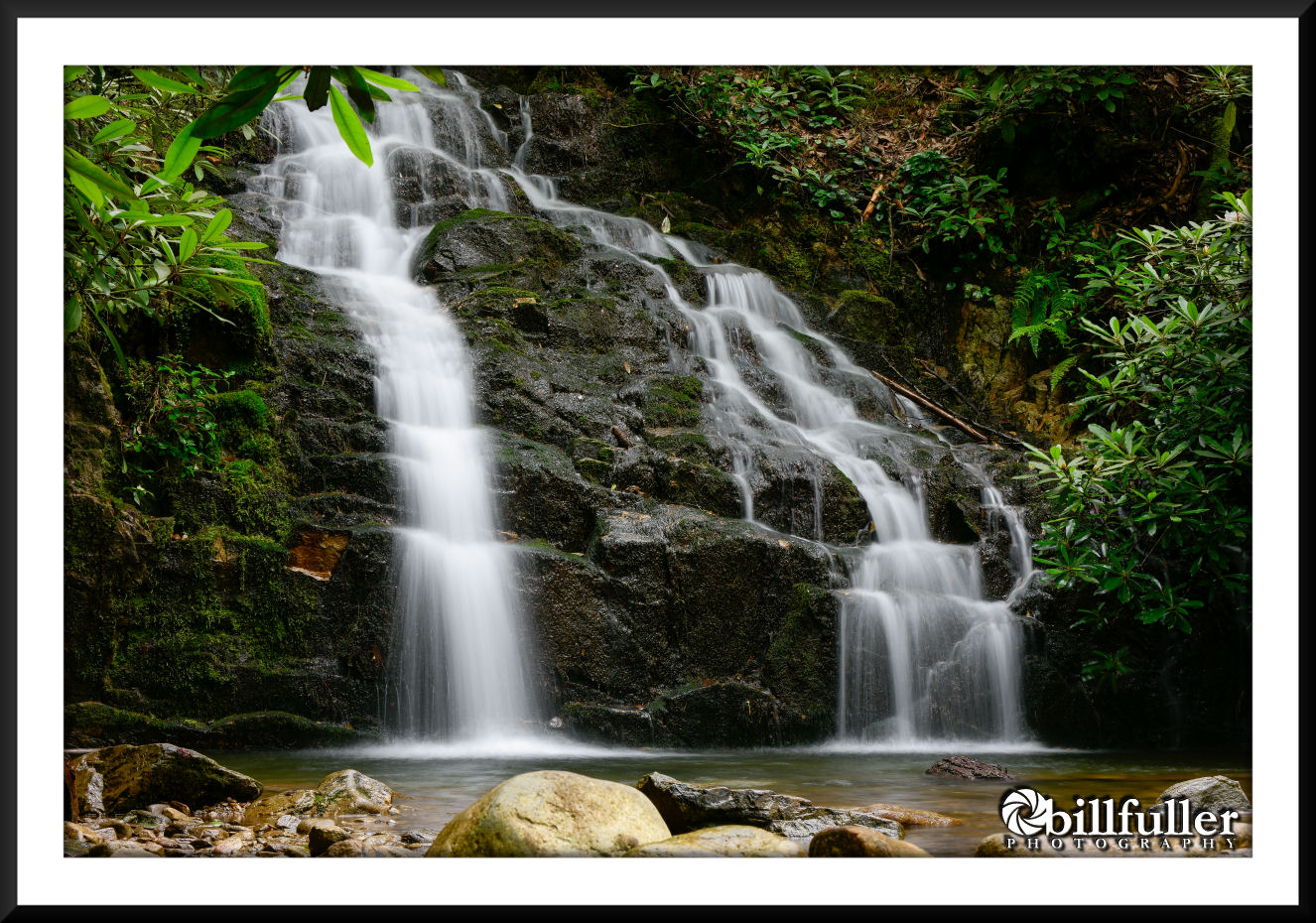
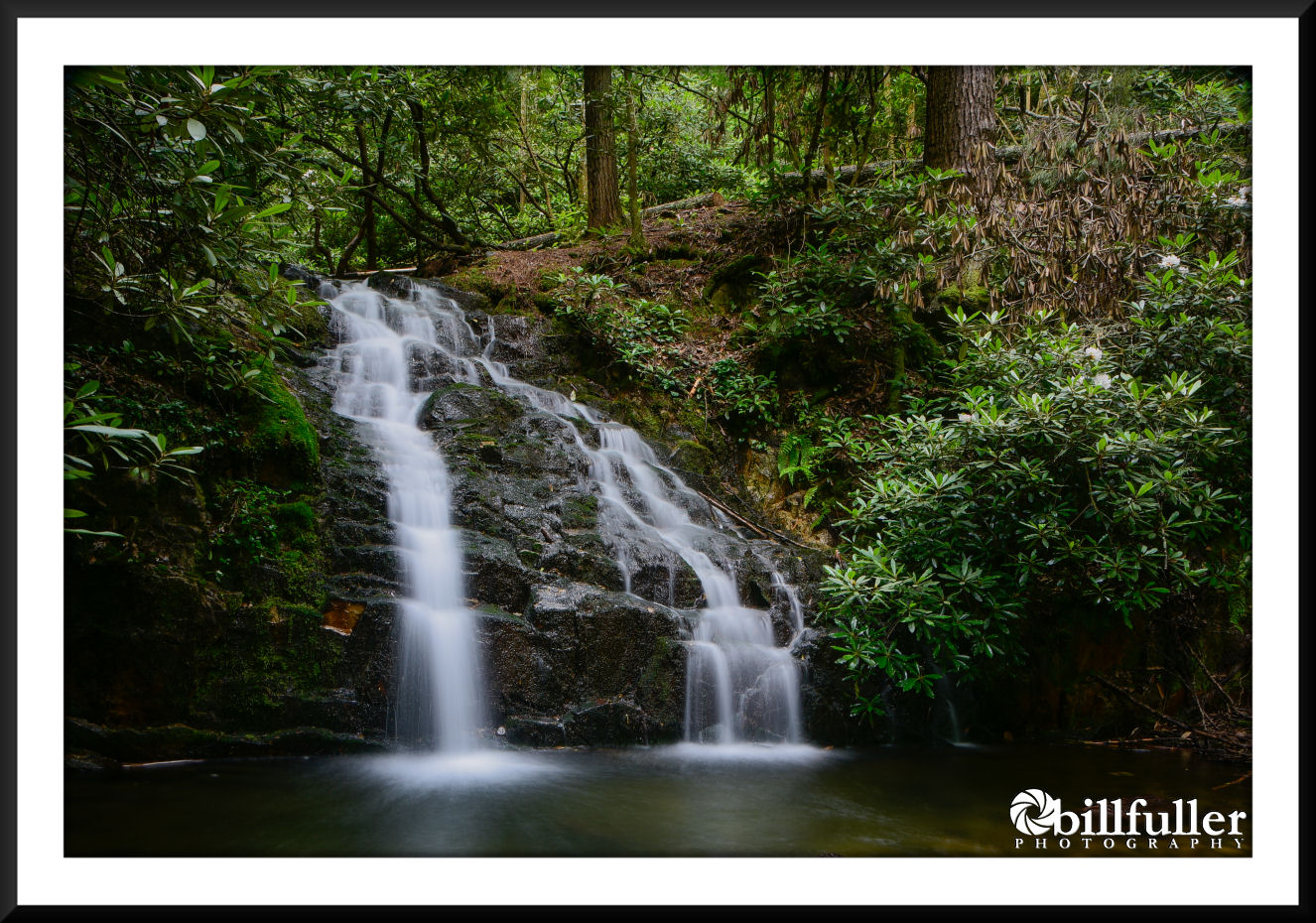
Martins Creek Falls is a beautiful, small waterfall just outside of town limits in Erwin, Tennessee.  It can be reached by a short hike, with the majority of walking being on a slightly ascending old forest road.  This road used to stay open to high-clearance vehicles, but the gate has remained closed for a number of years now, which requires you to make the full 2-mile round-trip trek.

The waterfall itself is about 20′ high and quite serene.  And the forest road leading to it is not highly trafficked. So if you’re looking for a peaceful after-work walk, or an easy family hike, you should check it out.

Visit Martins Creek After a Decent Rain

20′ Cascading Martins Creek Falls

Rhododendron

Please read the “Trail Planner” below for directions, as there is one left-hand turn leaving the forest road that can potentially be difficult to find.  Another thing to note is the access trail to get to from the top of the waterfall down to its base has eroded away recently and is a little slippery.  It’s still doable, but just be careful on the climb down.


MARTINS CREEK FALLS 

Overall
Recommendation:

Hikers of all skill levels. Great family hike!  Spring months for wildflowers.  Wait on a good rain before going.

Outstanding
Features:

Serene 20′ waterfall.

Difficulty:
Easy

Driving:
GPS Address:  Martin’s Creek Falls Parking Area, 1390 Martin Creek Rd, Erwin, TN 37650

or

From Interstate 26 take the Erwin/Jonesborough exit (#37) and turn east towards town.  Drive 0.4 miles until you reach a stop light. Turn right onto Main Street and drive 0.3 miles to Love Street, turn left. You’ll travel through four red lights on Love Street. Continue straight through the fourth stop light and the road becomes Okolona Dr. You’ll pass by a school on your right. At the intersection, turn left on Martin’s Creek Road and continue 0.6 miles to the end of the road.  There is a gravel parking area there with a yellow forest gate.  The parking area will accommodate 4 or 5 cars.

Trails:
Once parked, proceed through the gate onto a graveled forest road.  The road will begin to slightly ascend.  There will be a few trails leading off to the left at various locations, and those can get to the waterfall, but the easiest way is proceed along the road.  In approximately 0.9 miles you will come to a trail junction where you need to take a LEFT (at the time I went there was a blue circle painted on a tree at this junction).  From here, the trail will descend toward the stream on an obvious path.  In approximately 0.1 mile you will be at the top of the waterfall.  It is a little precarious making the short climb down to the base of the falls,but there are some good hand-holds.  Just watch your footing.

If you are still feeling good when you get back to the road (after visiting the waterfall), you may want to take a left and continue ascending the forest road.  It will eventually dead end after an additional 1.4 miles.  In the winter months there are some nice mountain views at the these higher elevations.  If you do this, the entire hike would be approximately 5.0 miles.

Needed
Gear & Tips:

Normal day-hiking gear.

Distance:
Approximately 2.1 miles round-trip.

Time
Allotment:

1 – 2 hours.

Type:
Out & Back.

Vista
Rating (1-5):

1.5 – Limited mountain views

Waterfall
Rating (based on a 1-50 scale):

Martins Creek Falls: H(2) + F(4) + V(2) + W(2) + G(4+4+5) = 23

Water
Crossings:

0 (none)

Scrambling/Climbing:
Short hand-hold climb to the base of the waterfall

Hazards:
Some slippery slopes. As with all waterfalls… don’t try to climb them.

Strava Link (.gpx download can also be found on this page):  https://www.strava.com/activities/3695731924


Categories: Day-hike, Easy/Family Hike, Waterfalls | Tags: | Leave a comment

Hiking Blunders and How to Avoid Them

Bill Fuller • Column in the Johnson City Press. Jun 28, 2020 Press Article Here

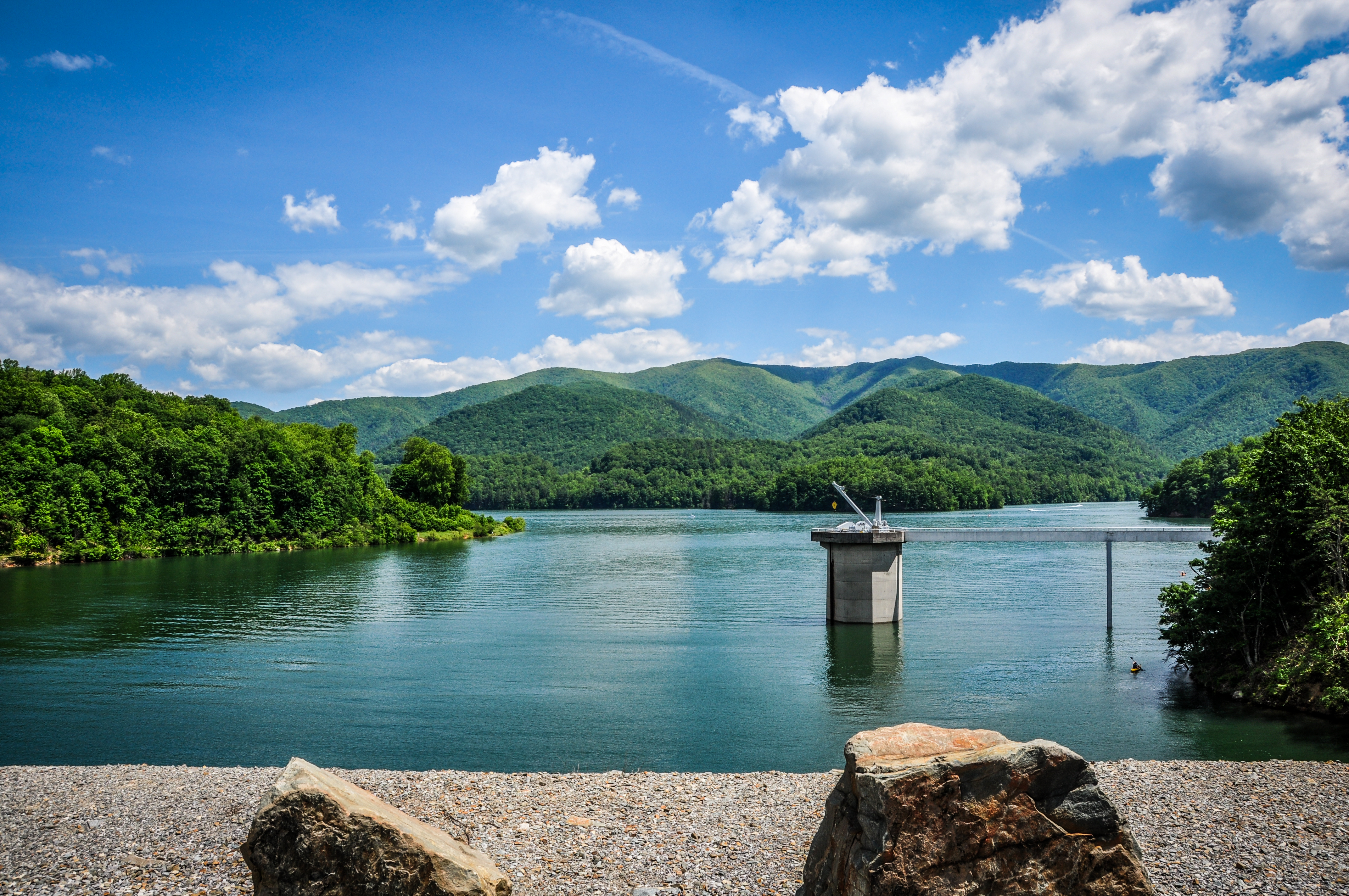
The Appalachian Trail at Watauga Lake

You’ve recently decided to go for a hike. 

You are not alone. The COVID-19 pandemic has forced many people to change their avenues of recreation. With current closures of various events and gatherings, trails are suddenly seeing record numbers of hikers.

Just go to any local trailhead and you’ll witness parking lots overflowing with cars. With this being the case, there are many novice hikers now exploring the outdoors.

If you are one of those new to hiking, here are some common mistakes and how to avoid them in order to make your trek safe and enjoyable.

Read more »

Categories: Informational and Tips | Leave a comment

Waterfalls of Dick Creek – Unaka Mountain

The Dick Creek watershed sits on the northwest face of Unaka Mountain near Erwin, Tennessee. There are two ways to access this remote region. One is from the Limestone Cove area, and the other is from Rock Creek Park. I chose to hike in from the Rock Creek side.

Upper Dick Creek Falls

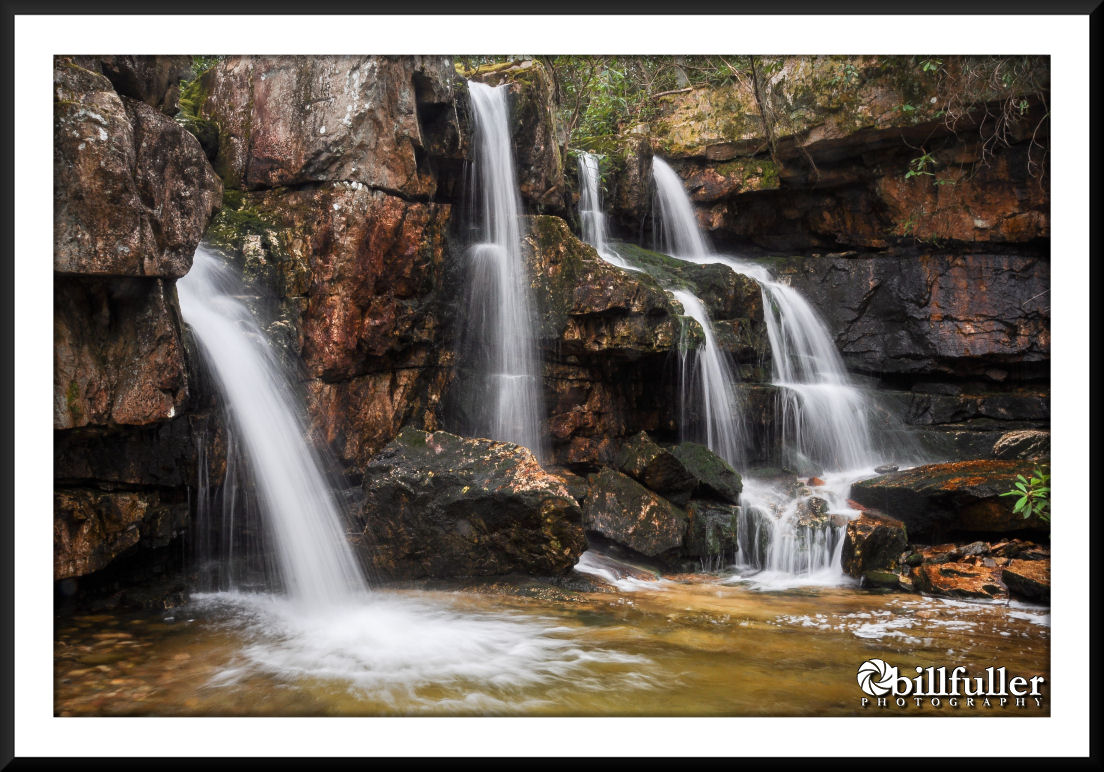
There are four waterfalls along the Dick Creek stream, and the further you go upstream, the more difficult the terrain becomes. Lower Dick Creek Falls can be accessed completely by trail, but the three falls above it require some navigation and off-trail hiking. If you’re looking for a remote adventure to infrequently seen waterfalls, then this hike is for you!

My GPS showed a round-trip of 10 miles, but some of that was due to extra exploration (i.e. taking a couple of wrong turns), and possibly bad satellite reception. I think this hike can be done in 8 miles or so (depending on where you park in Rock Creek Park), but allow plenty of extra time for the off-trail aspect. There will be places where you’ll be finding your way through thick underbrush, climbing over or under downed trees, and ascending/descending steep banks.

Read more »
Categories: Day-hike, Difficult Hike, Waterfalls | Tags: , | 2 Comments

Sill Branch Falls

Sill Branch Falls

Sill Branch Falls is located in the scenic Clark’s Creek area of Unicoi County, Tennessee just off of State Route 81/107 West. With a round-trip of just over a mile, this is a wonderful trek for families and beginners to one of the most stunning waterfalls in our region.

This hike is a little uphill but not drastically, and there is one (normally shallow) stream crossing, so bring dry socks if you feel the need. The walk mostly follows in close proximity to the Sill Branch stream so there are plenty of spots to take in the beautiful cascades along the way.

The best time to go is after a decent rain, as this stream can have low flow in dry summer months. And, the area also has an abundance of wildflowers in the spring months.

Read the HIKE PLANNER for further information, but one tip to remember:

When the trail splits (which it does only once), take the trail to the left!

Read more »

Categories: Day-hike, Easy/Family Hike, Waterfalls | Tags: | Leave a comment

New Photography Page

Rocky Mountain National Park

I’ve recently added a photography page to the blog. Enjoy!

Categories: Photography | Leave a comment

Flint Rock – Holston Mountain Lookout Tower

Overlooking the Holston Valley from Flint Rock

Overlooking the Holston Valley from Flint Rock

Holston Mountain is one of our most recognized mountain ridgelines in the east TN/southwest VA area as it spans approximately 28 miles from Elizabethton, Tennessee to Damascus, Virginia.  It’s the prominent mountain visible while looking south on most of the I-81 corridor from the Tri-Cities to Abingdon.  The highpoint of the mountain is Holston High Point (elevation 4280′) located on the south-western side of the ridge with a FAA beacon at the summit.  The second highest location is Rye Patch Knob (with an antenna farm of many of our local TV and radio towers), and the third highest point is Holston High Knob (elevation 4136′), with an old lookout tower at it’s summit… transplanted there from Mississippi in 1943 after the old wooden tower burned down.  It was supposedly staffed until 1991. Read more »

Categories: Day-hike, Historical, Lakes, Look-out Tower, Moderate Hike, Rock Formations, Summits, Vistas | Tags: , , | 2 Comments

Laurel Fork Trail

20140921_15-2

Upper Laurel Fork Falls

The Laurel Fork Trail is located just upstream from the very popular trek on the Appalachian Trail to Laurel Falls.  Designated as Cherokee National Forest Trail #39 this hike, however, is much more secluded, adventurous, and extremely remote. It requires numerous and often difficult stream fords, deep and muddy areas dammed up by beavers, some navigational skills (with limited blazing), and deteriorating trail conditions the further you go upstream … with numerous blowdowns and excessive vegetation.  But if you’re willing to get wet and tough it out, you’ll be rewarded with some of the most beautiful backcounty in east Tennessee, including four magnificent waterfalls. Read more »

Categories: Apalachian Trail, Backpacking, Vistas, Waterfalls | Tags: , , , , , | Leave a comment

Grayson Highlands Backpacking: A.T./Pine Mountain Loop

This is a loop hike in the Grayson Highlands that I tend to do about once per year, so I’ve posted it a couple times before, but not with all the snowy conditions that I experienced this time.

My daughter Taylor and her boyfriend Cameron joined me over their spring break around the end of March.  And the weather surprised us with with up to two feet of snow in many areas, with very icy conditions.  It made for some tough hiking to say the least.

Read more »

Categories: Apalachian Trail, Backpacking, Vistas | Tags: , , , , | 9 Comments